How to Humanize AI-Generated Content: A Comprehensive Guide
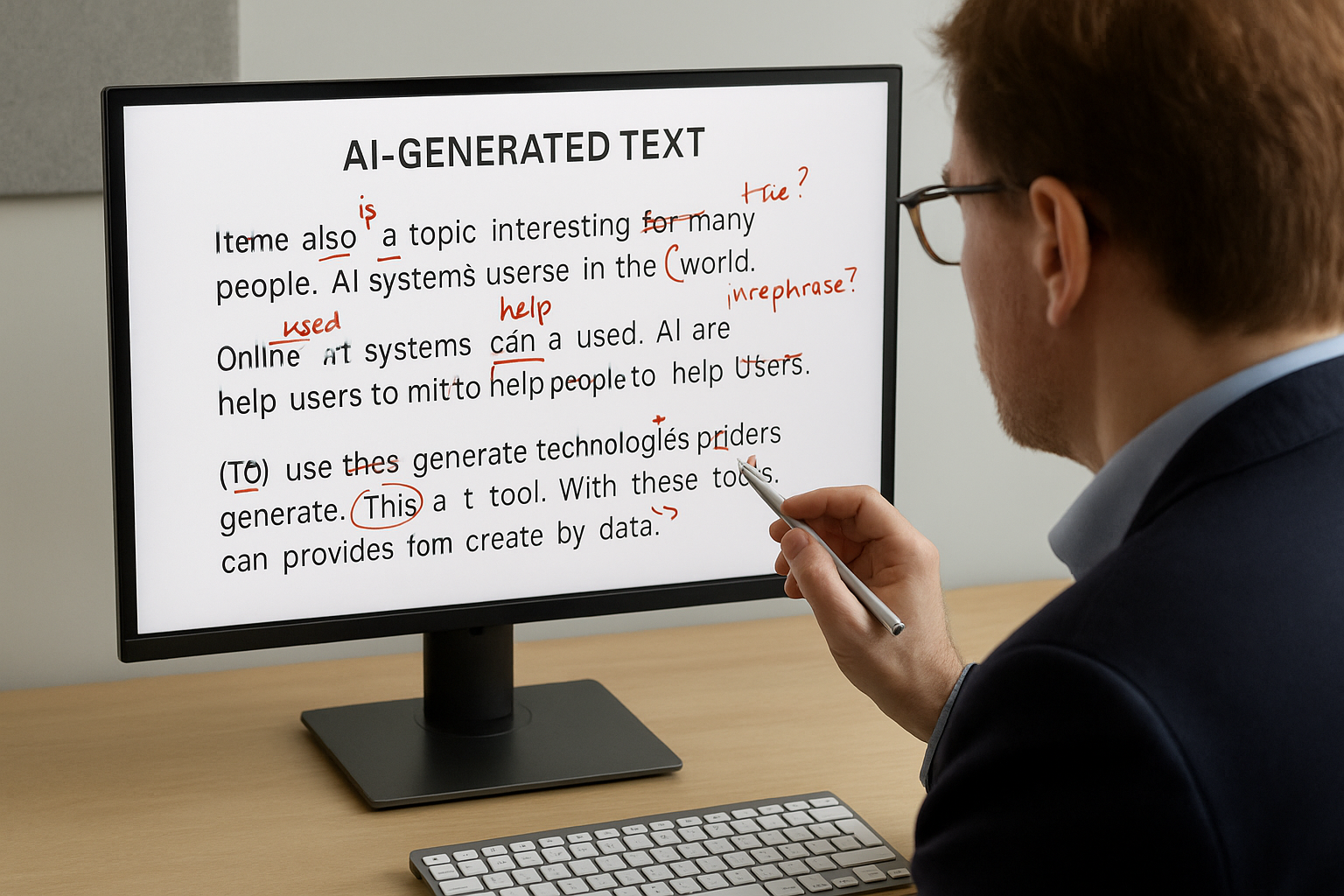
Artificial Intelligence (AI) has revolutionized content creation, enabling rapid generation of text across various domains. However, AI-generated content often lacks the nuances, tone, and authenticity characteristic of human writing. To bridge this gap, it’s essential to humanize AI-generated text, making it more engaging and relatable to readers. This guide provides practical strategies to transform AI-generated content into compelling, human-like narratives.
Understanding the Need for Humanization
AI-generated content, while efficient, can exhibit certain patterns that make it easily identifiable as machine-produced. These include:
- Repetitive Sentence Structures: AI often produces sentences of similar length and structure, leading to a monotonous rhythm.
- Generic Vocabulary: The use of overused phrases and neutral tones can make the content feel impersonal.
- Lack of Personal Touch: AI lacks personal experiences or opinions, resulting in content that may feel detached.
Humanizing this content is crucial to enhance readability, engagement, and authenticity.
Effective Strategies to Humanize AI-Generated Content
1. Vary Sentence Structure and Length
AI-generated text often relies on uniform sentence structures. Introducing variety can make the content more dynamic and engaging. For instance, combining short, direct statements with longer, descriptive ones can create a more conversational tone. Breaking up long sentences enhances readability and comprehension.
2. Use Active Voice
AI tends to favor passive constructions, which can make sentences less direct. Employing active voice makes the writing clearer and more engaging. For example, instead of “The experiment was conducted to examine the effects of sleep on academic performance,” use “We conducted the experiment to examine how sleep affects academic performance.”
3. Incorporate Personal Insights and Anecdotes
Adding personal stories, reflections, or real-life examples can infuse authenticity into the content. This approach not only makes the writing more relatable but also demonstrates critical thinking and personal engagement with the topic.
4. Adjust Tone and Vocabulary
AI-generated text often defaults to a neutral or formal tone. Tailoring the tone to suit the intended audience and purpose can enhance engagement. Using contractions, choosing words that match the intent, and defining the audience helps in selecting the right tone. For example, swapping stiff terms such as “utilize” and “commence” for simpler options such as “use” and “start” can make the text more approachable.
5. Fact-Check and Add Credible Sources
AI-generated content may include inaccuracies or lack depth. Verifying facts and incorporating credible sources, such as peer-reviewed research or expert opinions, can enhance the content’s reliability and authority.
6. Use Contractions to Create a Conversational Tone
AI defaults to formal, uncontracted English. Using contractions like “don’t” instead of “do not” or “it’s” instead of “it is” can make the text sound more natural and conversational. This simple adjustment can make a significant difference in how the content is perceived by readers.
Tools and Resources for Humanizing AI Content
Several tools and resources can assist in humanizing AI-generated content:
- AI Humanizer Tools: These tools are designed to make AI-generated writing appear more human. They work by identifying typical AI writing patterns and suggesting alternative, more “human-like” expressions. However, it’s important to note that while these tools can improve readability, they may not always make the content indistinguishable from human writing. Educators and content creators should remain cautious, as detection tools continue to evolve in response to these new challenges. (OakWrites Services)
- Editing and Proofreading Services: Professional services can provide a thorough review of AI-generated content, ensuring it meets high standards of quality and authenticity. OakWrites offers such services, assisting in refining and humanizing AI-generated text to enhance its effectiveness and engagement. (OakWrites Editing Services)
Conclusion
Humanizing AI-generated content is essential to create engaging, authentic, and reader-friendly material. By varying sentence structures, using active voice, incorporating personal insights, adjusting tone and vocabulary, fact-checking, and utilizing available tools and resources, you can transform AI-generated drafts into compelling narratives that resonate with your audience.
Frequently Asked Questions (FAQs)
1. What is AI-generated content?
AI-generated content refers to text produced by artificial intelligence models, such as language models, without direct human input. While efficient, this content often lacks the nuances and authenticity of human writing.
2. Why is it important to humanize AI-generated content?
Humanizing AI-generated content enhances its readability, engagement, and authenticity, making it more relatable and trustworthy to readers.
3. What are some common characteristics of AI-generated text?
Common characteristics include repetitive sentence structures, generic vocabulary, and a lack of personal touch or unique perspective.
4. How can I vary sentence structure in AI-generated content?
Mixing short, direct statements with longer, descriptive ones, and breaking up long sentences can create a more dynamic and engaging rhythm in the text.
5. Are there tools available to help humanize AI-generated content?
Yes, there are AI humanizer tools and professional editing services that can assist in refining and humanizing AI-generated text to enhance its quality and engagement.
6. How can I incorporate personal insights into AI-generated content?
Adding personal stories, reflections, or real-life examples can infuse authenticity and demonstrate critical thinking, making the content more relatable to readers.
7. What role does tone play in humanizing AI-generated content?
Adjusting the tone to suit the intended audience and purpose can enhance engagement and make the content more relatable and authentic.
8. How can I ensure the accuracy of AI-generated content?
Fact-checking and incorporating credible sources, such as peer-reviewed research or expert opinions, can enhance the content’s reliability and authority.
9. What are AI humanizer tools?
AI humanizer tools are designed to make AI-generated writing appear more human by identifying typical AI writing patterns and suggesting alternative, more “human-like” expressions. However, their effectiveness can vary, and they may not always make the content indistinguishable from human writing.
10. How can OakWrites assist in humanizing AI-generated content?
OakWrites offers professional editing and proofreading services that can refine and humanize AI-generated text, ensuring it meets high standards of quality and authenticity.
Need Help With Your Assignment?
Submit your instructions through the OakWrites Client Portal. We will review your request and provide a personalized quotation before asking for payment.
Start Your AssignmentRelated Articles